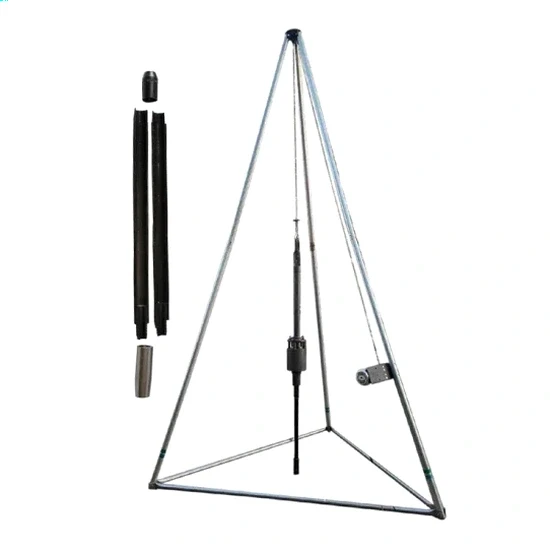
The CME-75 rig rumbles to life on a site near the Arkansas River, its 140-pound hammer lifting and dropping in a steady rhythm. That's the sound of an SPT in progress in Little Rock. Our crew runs the split-spoon sampler into the ground, counting every blow across three 6-inch increments. The N-value we record tells us exactly how the soil will behave under load. Little Rock's geology shifts fast—you can hit stiff clay in Hillcrest and loose alluvium a mile east near the river bottoms. The Standard Penetration Test gives us hard numbers, not guesses. For deeper bedrock confirmation in the western heights, we often pair the SPT with rotary drilling to capture continuous core through the weathered shale transition zone.
Arkansas River floodplain soils can lose 60% of their bearing capacity when saturated—SPT blow counts drop accordingly, and your foundation depth has to follow.