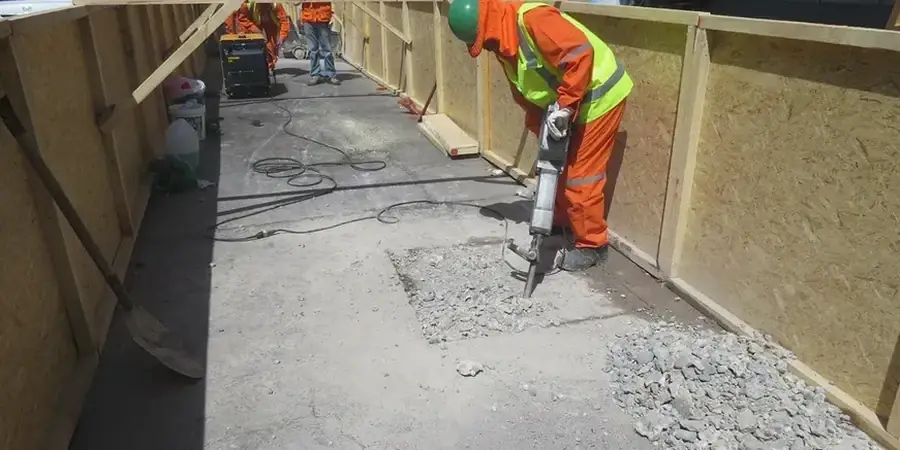
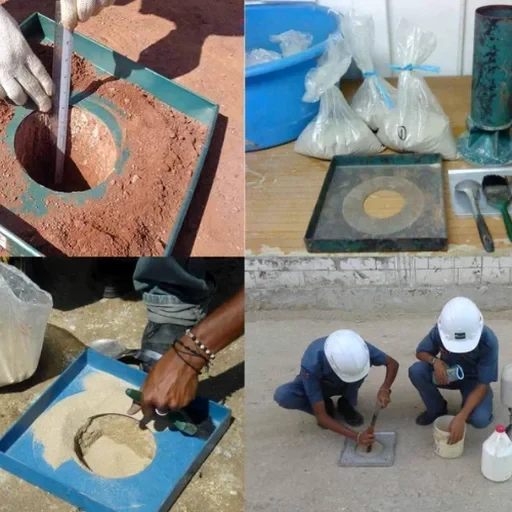
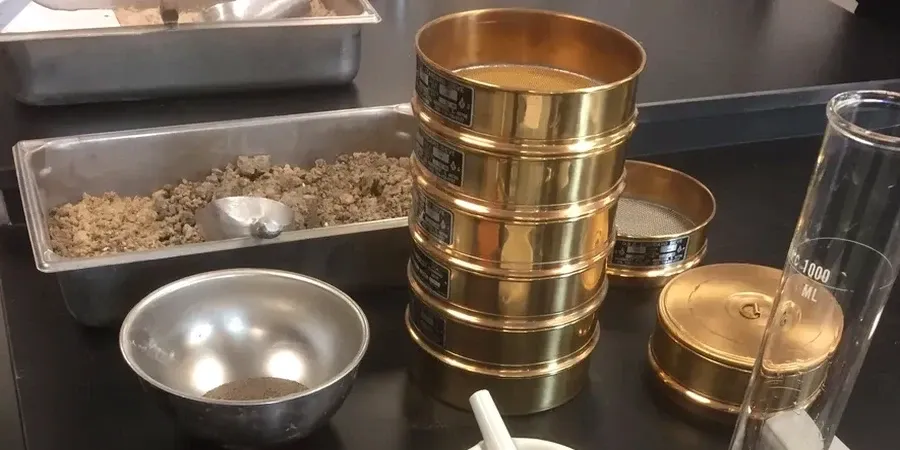
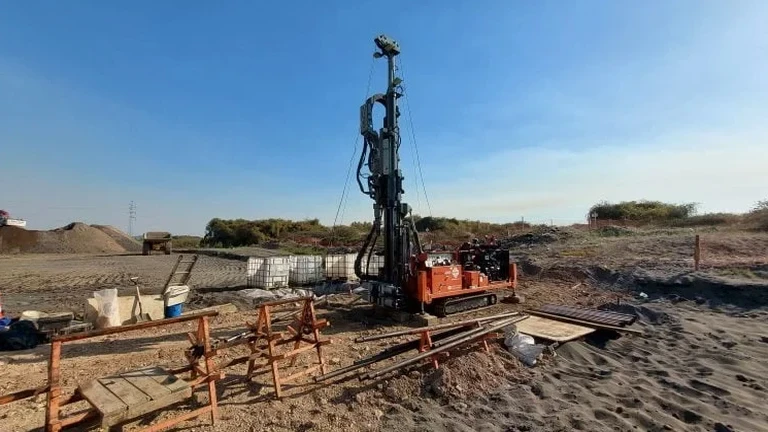
In Little Rock, you learn quickly that the geology shifts block by block—from the shale and sandstone of the Jackfork Formation in the western heights to the deep alluvial silts and clays down in the Fourche Creek bottoms. Before you commit to a foundation design or a cut-and-fill sequence, you need to see the transition zone with your own eyes. That’s where a well-logged exploratory test pit becomes invaluable. Our crew opens trenches and pits across Pulaski County to expose the contact between weathered rock and recent alluvium, giving the design team direct access for sampling and in-situ density checks. For sites where the plasticity of the local clays is a concern, we often pair the pit program with atterberg limits to quantify the shrink-swell potential before the structural engineer even starts detailing.
A test pit shows you the soil structure, not just a bag of cuttings—and in Little Rock’s transitional geology, that’s the difference between a surprise and a plan.