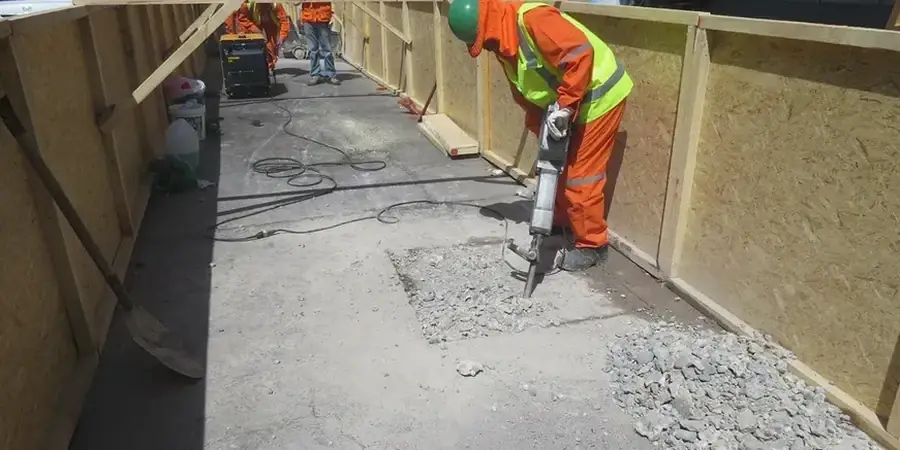
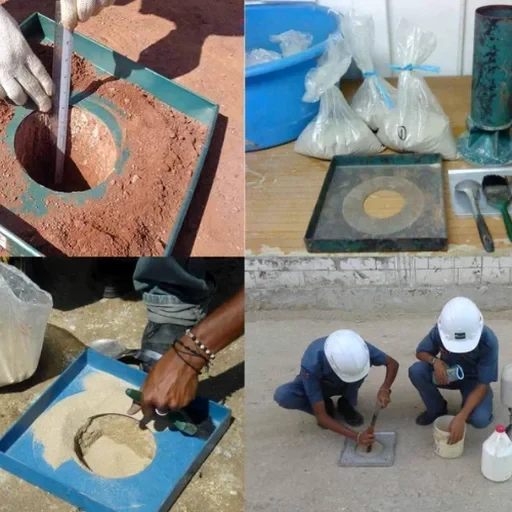
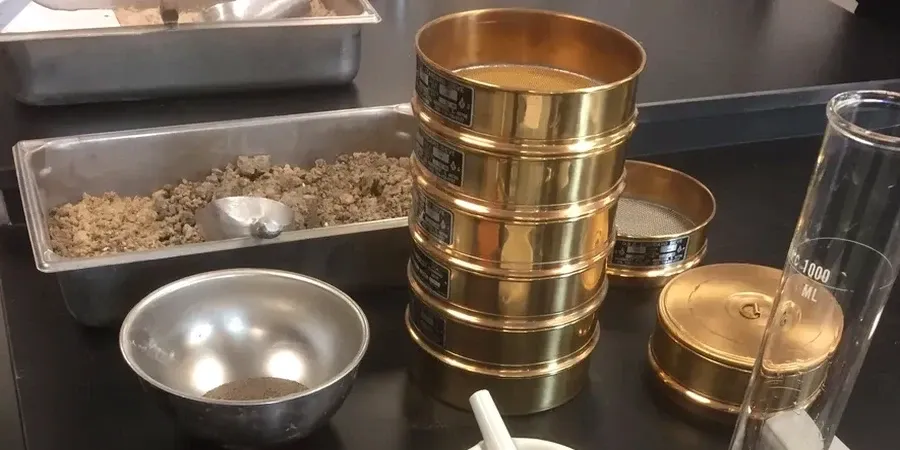
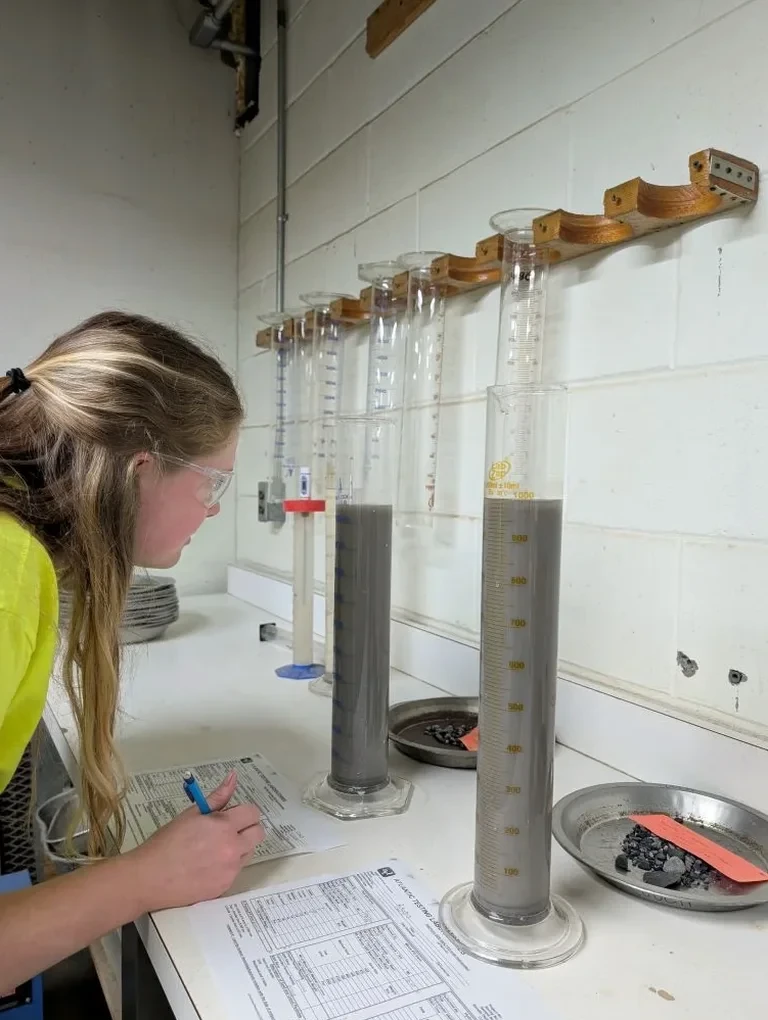
Little Rock sits at roughly 335 feet above sea level, wedged between the Ouachita foothills and the flat Delta plains, and that transition zone creates some of the trickiest subgrade conditions in central Arkansas. In our experience, what looks like decent material in the dry summer months can turn to jelly after a week of Arkansas rain. We run laboratory CBR tests specifically to quantify that behavior—measuring how much load a compacted soil sample can take before it deforms, side by side with a standard crushed stone reference. For DOT jobs along I-30 or commercial pads out near Chenal Parkway, the soaked CBR value often dictates whether the native soil stays or gets undercut. We’ve seen projects where a single CBR number changed the entire pavement structural section, and the savings in aggregate alone justified the cost of the geotechnical investigation ten times over.
A soaked CBR below 3% on Arkansas clay means you’re not designing a pavement—you’re designing a soil replacement strategy.