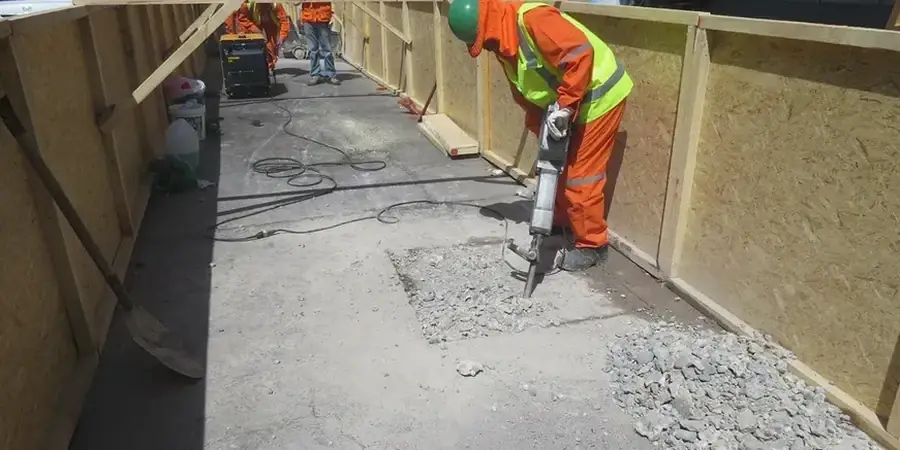
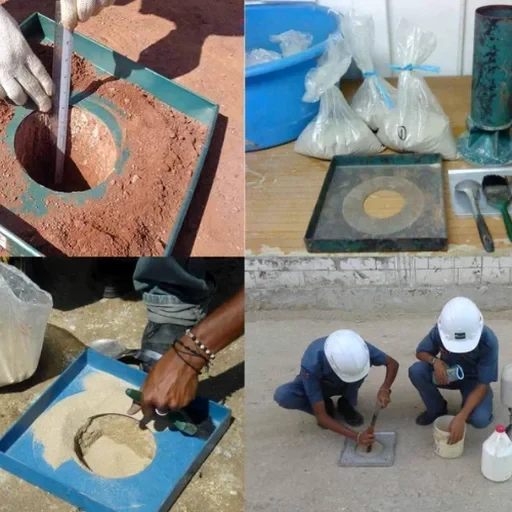
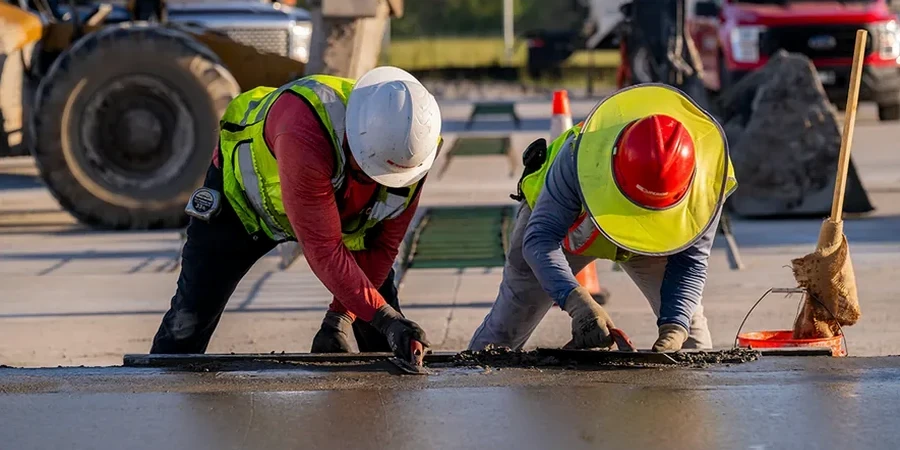
The I-30 corridor reconstruction through downtown Little Rock exposed something engineers here know well: the subgrade beneath Arkansas River Valley soils can shift dramatically within a few hundred feet. A rigid pavement design that ignores those transitions pays for it in slab curling, joint faulting, and mid-panel cracking before the first maintenance cycle. We support pavement designers with geotechnical investigation programs that characterize subgrade stiffness, moisture sensitivity, and frost susceptibility—the three variables that determine whether a Portland cement concrete pavement reaches its 30-year design life or falls short. Our work on CBR testing for road subgrades established baseline modulus values across weathered shale and alluvial deposits common to Pulaski County, while grain-size analysis identifies fine-grained pockets where pumping and erosion threaten long-term joint stability.
A rigid pavement is only as reliable as the subgrade it rests on—get the k-value wrong, and the entire thickness design becomes guesswork.