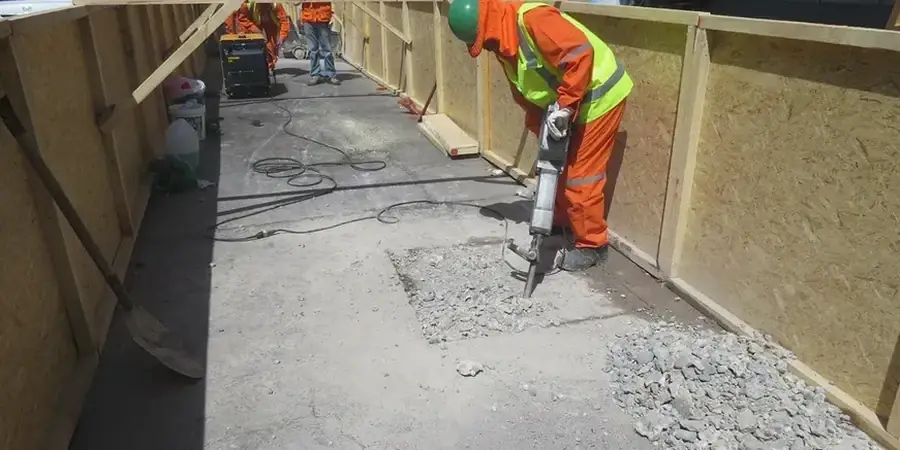
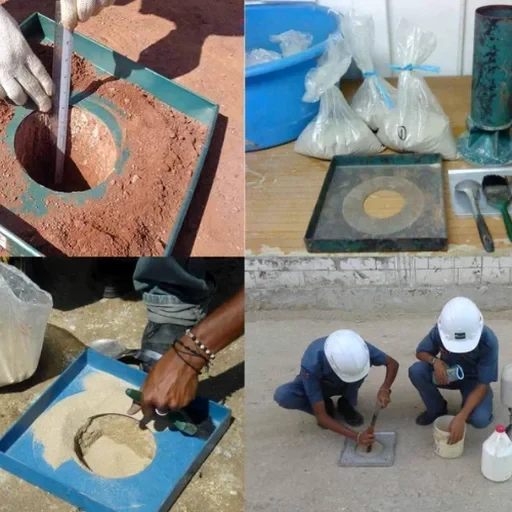
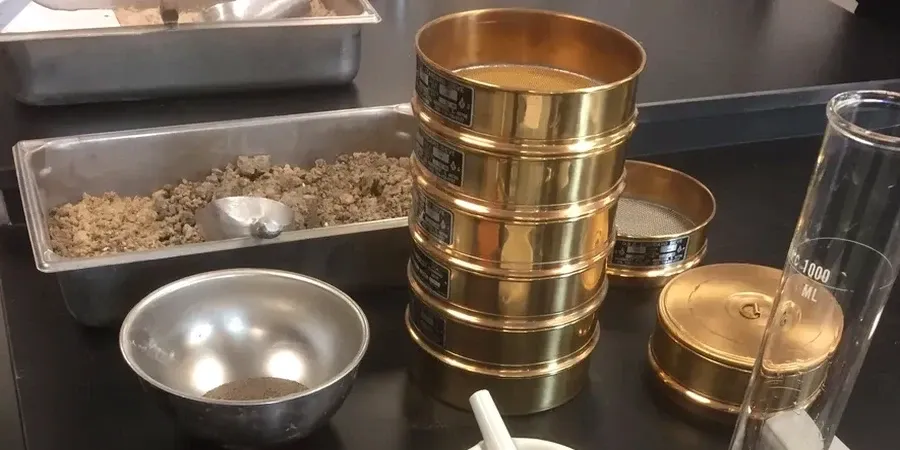
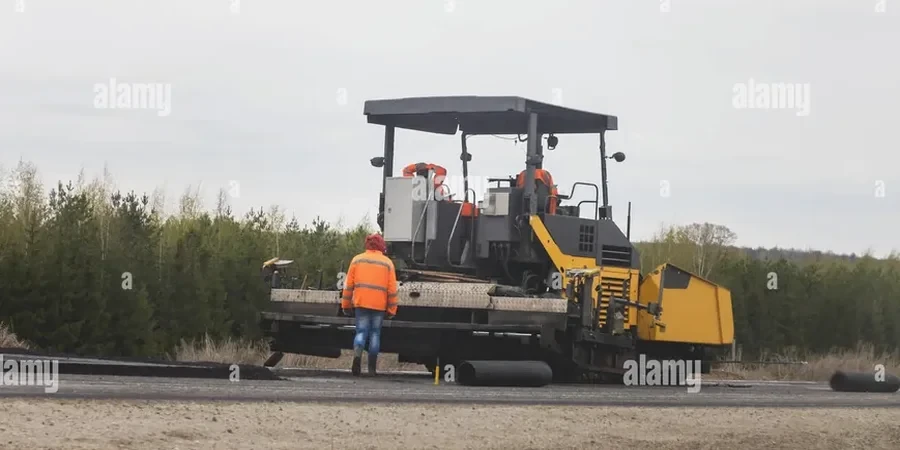
Anyone who has built a road or parking lot in Pulaski County knows the soil can change dramatically over a few hundred feet. Little Rock sits right on the transition between the Arkansas River Valley and the Gulf Coastal Plain. That means you can hit stiff clay in one location and loose alluvial sand just a block away. A pavement section designed without understanding these transitions will fail early. We see it often. The team here approaches flexible pavement design as a site-specific problem. We combine field investigation with lab testing. The goal is a structural section that handles the 49-inch average annual rainfall and the summer heat that softens asphalt. For projects on soft subgrade, we correlate data from CPT testing to refine the resilient modulus inputs used in the AASHTO 93 design equation.
In Little Rock, the difference between a 10-year pavement and a 25-year pavement often comes down to how thoroughly the subgrade was characterized before the first ton of asphalt was placed.